
Good employees do not always become quiet, defensive or less proactive because their character changed. Sometimes the workplace has taught them what is safe.
This article explains five survival lessons broken cultures teach good people and shows leaders how to diagnose the system before they adopt the blame game.
Why Good People Behave Differently in Broken Cultures
A dependable employee starts copying five people on every small email.
A supervisor who used to solve problems now waits for written approval before taking basic action.
A teacher, project officer, cashier, nurse, administrator or team lead who once spoke openly in meetings now stays quiet until the meeting ends, then raises the real concern privately.
At first, the explanation sounds personal:
"She has changed."
"He is no longer proactive."
"People here do not take initiative."
Sometimes character is part of the story. People remain responsible for their choices. But in many workplaces, the bigger question is not simply why one employee changed. The better question is: what has the workplace taught good people to do in order to survive?

These situations reflect common organizational patterns. The point is not to excuse poor behavior. It is to help leaders, HR teams and managers see how systems, leadership signals and informal rules can shape behavior until good people begin acting in ways that look defensive, political, slow or disengaged.
The visible problem: good people start behaving differently
In a healthy workplace, good people usually try to contribute. They ask questions, take initiative, admit mistakes, share information and help others succeed. In a broken culture, the same people may begin to protect themselves first.
They still come to work.
They may still be polite.
They may even still perform.
But something changes beneath the surface.1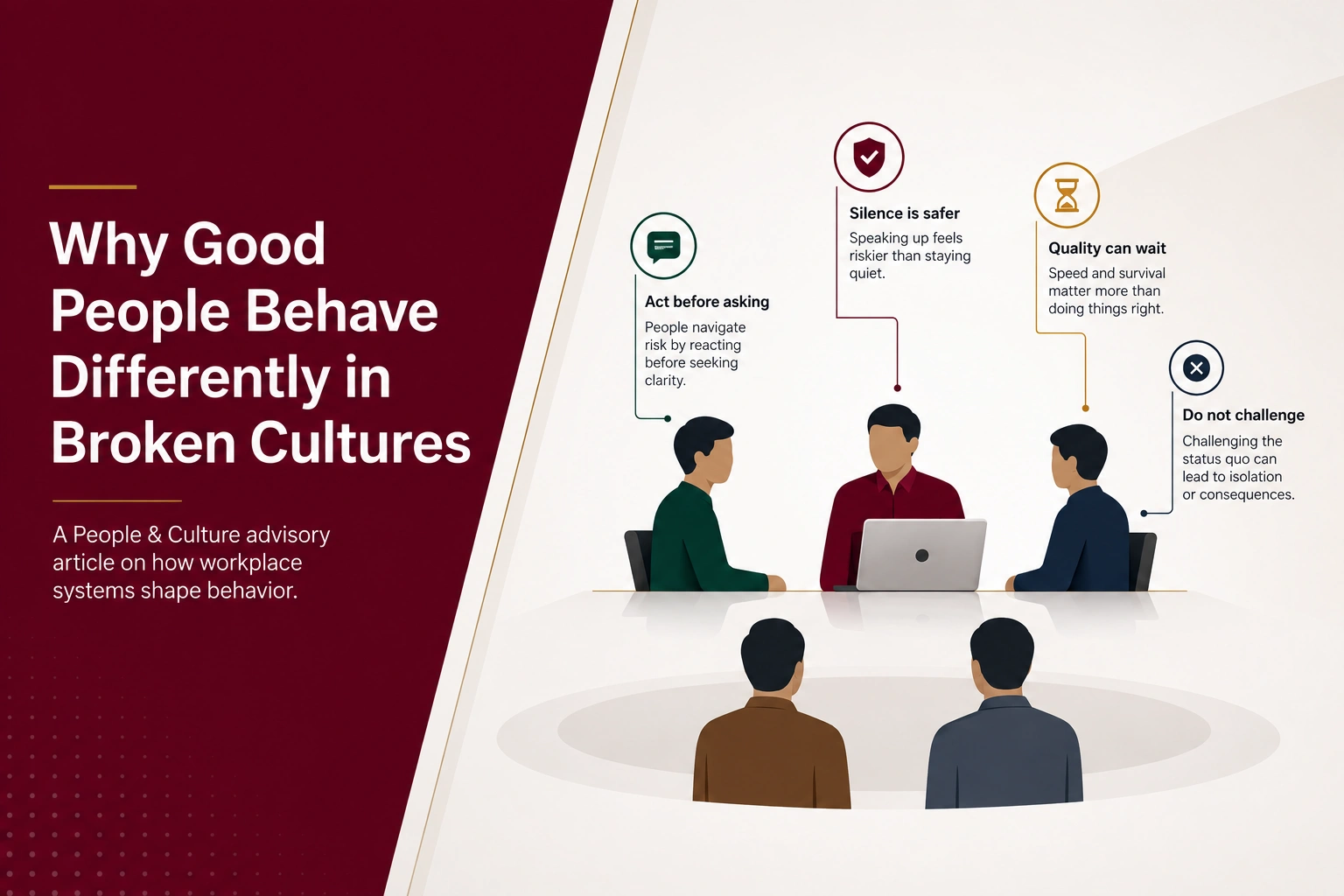
Figure 1. Workplace behavior is shaped by repeated signals, not slogans.
They stop volunteering ideas because ideas are criticized but rarely supported.
They avoid decisions because previous decisions were punished without context.
They keep quiet during meetings because honest comments are remembered more than useful contributions.
They follow rules selectively because they have learned that rules apply differently depending on who is involved.
A manager may interpret this as laziness or attitude.
An HR officer may interpret it as a performance problem. A business owner may begin thinking, "We need better people." Sometimes that is true. But often the organization also needs better conditions for good behavior to remain safe, useful and worthwhile.
The problem behind the problem
Culture is not only what appears in values statements or staff handbooks. Edgar Schein's widely used culture model explains that culture operates at several levels: visible artifacts, stated values and deeper assumptions that people often learn through repeated experience.[1]
In plain language, people do not only listen to what leaders say. They watch what actually happens.
If the handbook says teamwork but promotions reward individual heroics, people learn individual heroics.
If management says "speak up" but embarrasses the person who raises a concern, people learn silence.
If leaders praise quality but celebrate only speed, people learn to rush and hide the mistakes.
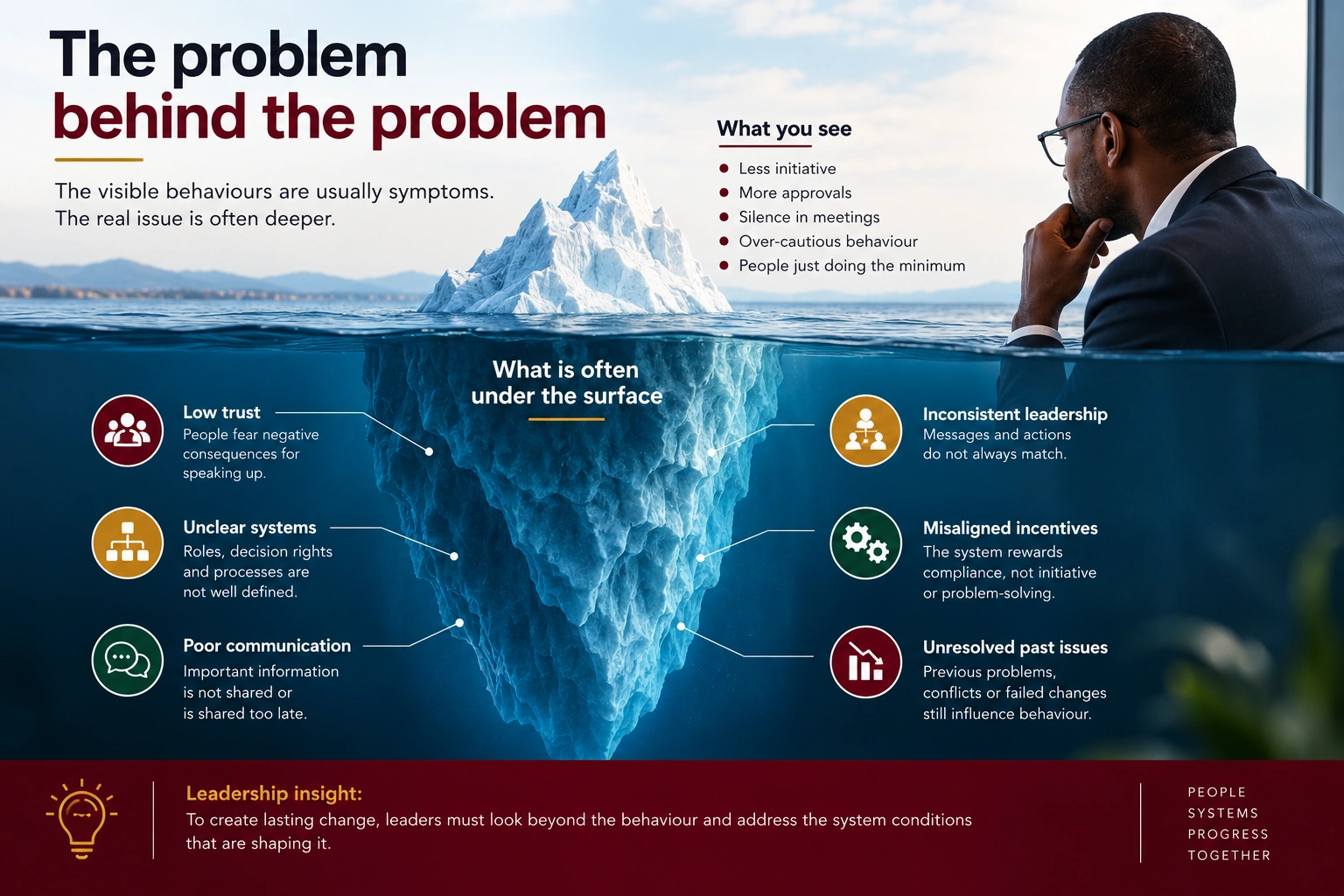
Figure 2. There are usually bigger problems behind what is visible.
A broken culture does not always announce itself loudly. Sometimes it works quietly through repeated signals. Over time, good employees learn the safest way to behave. That learned behavior can become the new normal.
Five survival lessons broken cultures teach good people
These are not personality labels. They are patterns leaders can examine when good people begin acting differently.
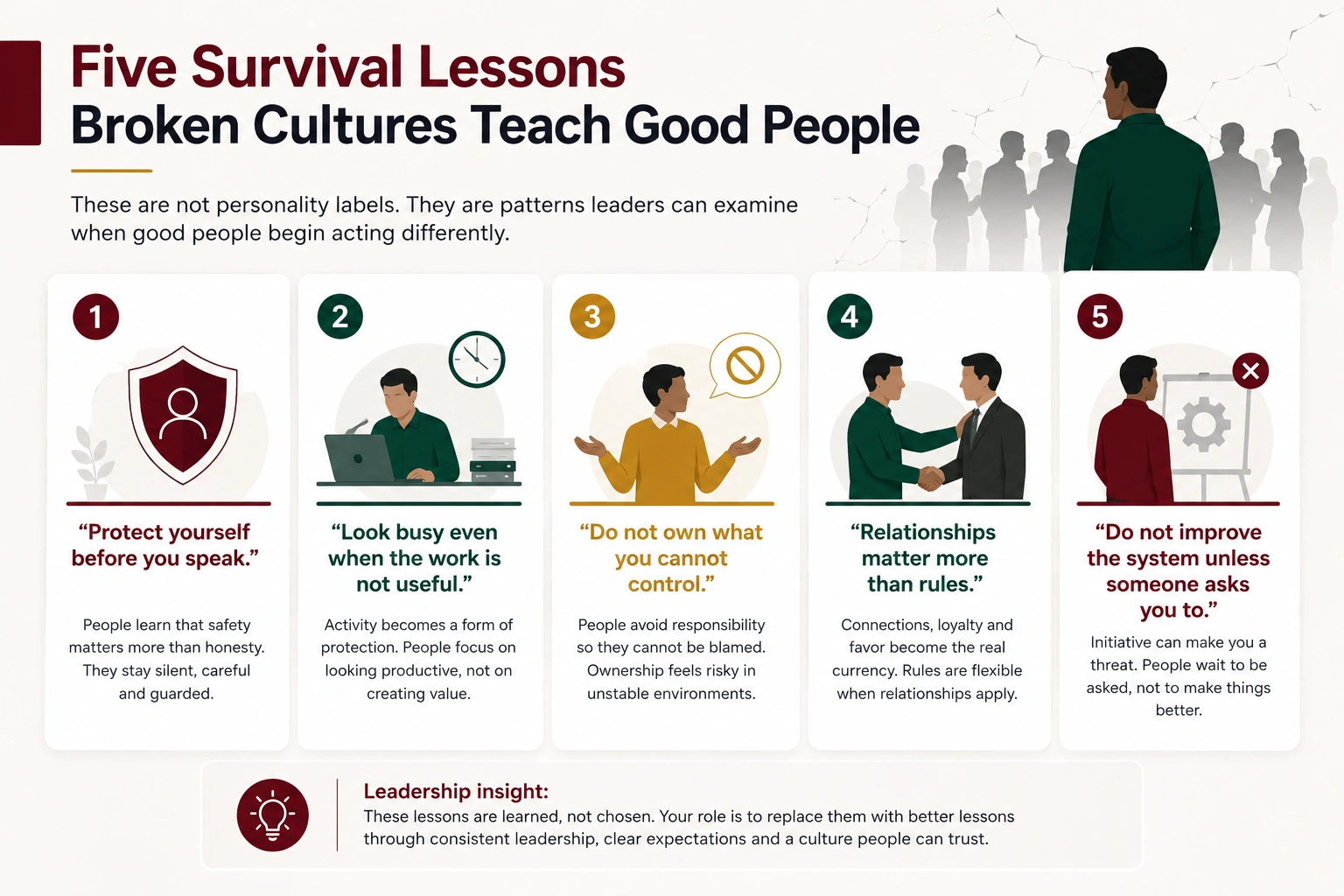
Figure 3. The lessons leaders need to understand.
1. "Protect yourself before you speak."
What you may notice: employees stop raising concerns in meetings, avoid written recommendations or only speak when a senior person has already shown support.
What is happening beneath the surface: people may have learned that truth is welcomed only when it is comfortable. Amy Edmondson's research on psychological safety describes the importance of a shared belief that a team is safe for interpersonal risk-taking. When that safety is weak, people protect themselves before they contribute.
Relatable example: a project officer notices that a deadline is unrealistic but says nothing because the last person who questioned a timeline was described as "negative." The project later delays, and leadership asks why no one warned them earlier.
Practical consequence: risk information arrives late, mistakes repeat and leaders make decisions without honest input.
Question to ask: Are people quiet because they agree, or because disagreement has become expensive?
2. "Look busy even when the work is not useful."
What you may notice: employees attend many meetings, send many updates and appear constantly active, yet important work still moves slowly.
What is happening beneath the surface: the culture may reward visible effort more than meaningful outcomes. When leaders praise busyness, people learn to display busyness. When leaders measure only activity, people optimize for activity.
Relatable example: a school administrator spends the whole day preparing status updates for several supervisors, leaving little time to resolve the actual parent complaint that triggered the updates.
Practical consequence: teams become exhausted, but performance does not improve. The organization mistakes motion for progress.
Question to ask: What behavior gets more recognition here - useful results or visible effort?
3. "Do not own what you cannot control."
What you may notice: staff avoid ownership, ask for approvals on small matters, or insist that every instruction be documented before they act.
What is happening beneath the surface: people may have learned that responsibility is demanded without authority. If employees are blamed for outcomes they cannot influence, they will naturally reduce risk by narrowing their involvement.
Relatable example: a branch supervisor is told to improve customer service but cannot approve small refunds, resolve basic complaints or adjust schedules. After being blamed for complaints she could not fix, she begins forwarding every issue to head office.
Practical consequence: decisions slow down, customers wait, managers become bottlenecks and initiative declines.
Question to ask: Have we given people responsibility without the decision rights needed to carry it well?
4. "Relationships matter more than rules."
What you may notice: employees spend time managing politics, choosing who to copy, who to avoid and who to consult before doing routine work.
What is happening beneath the surface: inconsistent enforcement teaches people that the real system is not the policy but the power map. If two people make the same mistake and only one is corrected, employees learn to study relationships rather than standards.
Relatable example: one staff member is allowed to miss deadlines because they are close to a senior leader. Another is corrected sharply for a smaller delay. Soon, people stop trusting the performance system and start protecting themselves socially.
Practical consequence: fairness declines, resentment grows and performance conversations become harder because employees no longer trust the process.
Question to ask: Do our standards apply consistently, or do people have to understand politics to stay safe?
5. "Do not improve the system unless someone asks you to."
What you may notice: employees keep using workarounds even when they know the process is broken. They complain privately but rarely propose changes formally.
What is happening beneath the surface: people may have learned that improvement ideas create extra work, conflict or blame. The system may punish initiative by giving the problem-solver more responsibility without support.
Relatable example: an HR assistant notices that onboarding documents are always incomplete. After raising it twice and being told to "just follow up better," she stops suggesting fixes and simply chases documents manually every month.
Practical consequence: the organization keeps paying for the same inefficiency while good employees lower their expectations.
Question to ask: When someone identifies a recurring problem, do we fix the system or hand them the burden of compensating for it?
Why leaders often do not notice early enough
Leaders usually miss these patterns for understandable reasons. The organization may still be delivering work, so the damage looks manageable. Strong employees often create workarounds that keep things moving. Managers may be under pressure to meet targets, so they reward the quickest behavior instead of the healthiest behavior. In growing SMEs, NGOs, schools and institutions, informality can work for a while before it begins producing confusion.
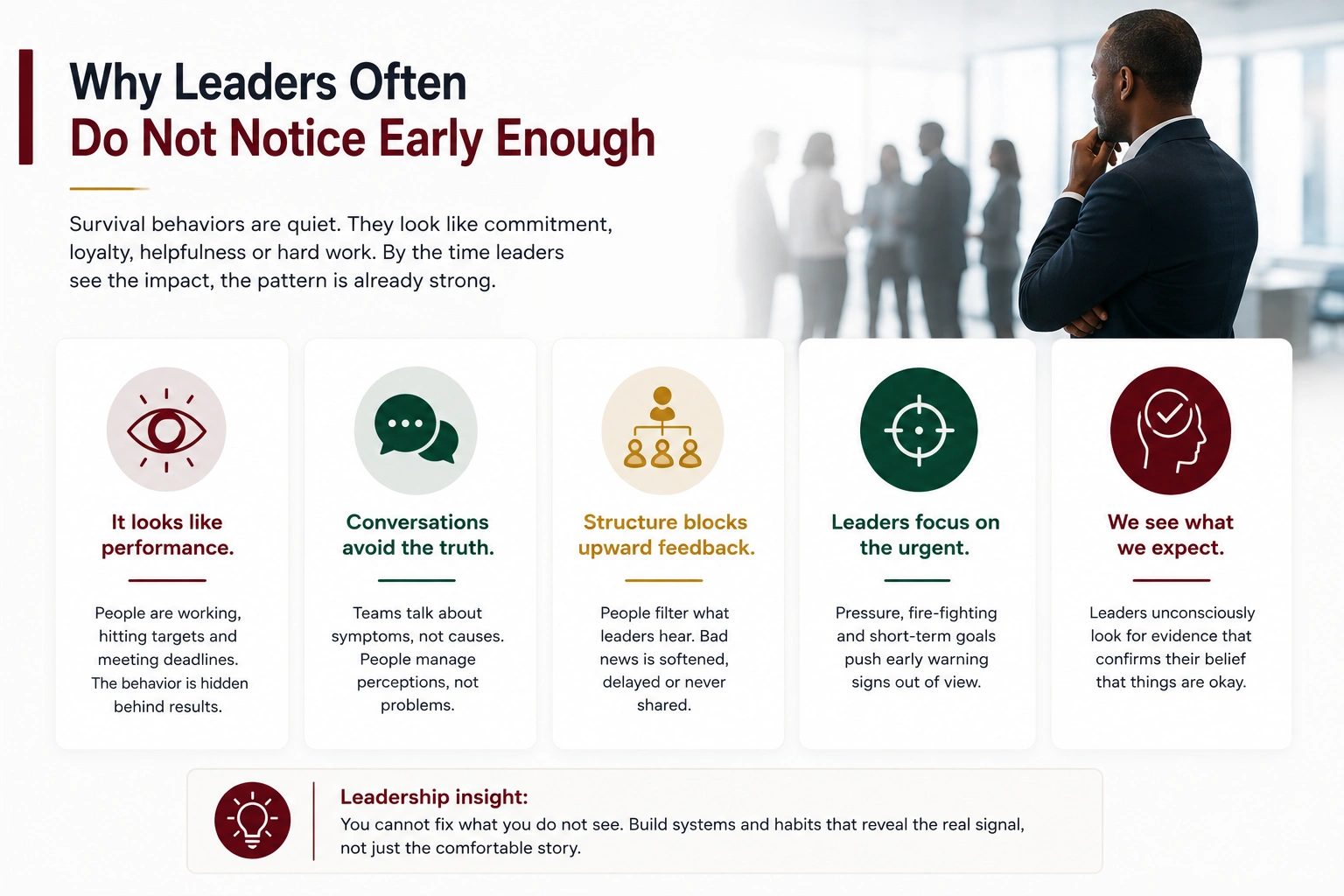
Figure 4. The signs leaders don't see early.
Another reason is that every department sees only part of the story.
HR sees complaints.
Operations sees delays.
Finance sees payroll or approval frustration.
Managers see attitude.
Employees see unfairness.
Unless someone connects the pattern, the organization treats symptoms separately.
This is why broken cultures can continue for years without looking dramatic. They do not always collapse immediately. They quietly teach people how to survive.
A practical diagnostic: is the issue personal, cultural or structural?
Use these questions as a discussion tool, not as a formal audit or legal assessment.
Do employees avoid speaking openly in meetings but raise the real issues privately afterward?
Do people ask for unnecessary approvals because previous initiatives were punished or ignored?
Are standards applied differently depending on the person, department or relationship involved?
Do employees spend more energy proving they are busy than improving the work?
Are recurring mistakes blamed on individuals even when the same process creates the same problem repeatedly?
Do good employees seem cautious, defensive or withdrawn after periods of conflict, change or inconsistent leadership?
Do managers have responsibility for team outcomes without enough authority, training or support?
When someone proposes a fix, does the organization support the change or simply add the burden to that person?
Several "yes" responses may indicate that the behavior is not only an individual performance issue. It may be a signal that the workplace system is teaching people habits that protect them but weaken the organization.
The leadership insight
Good people do not stay good at work by character alone. Character matters, but workplace conditions also matter. Leaders protect culture by designing conditions where honesty, ownership, learning, fairness and useful performance are safer than silence, politics and self-protection.
This is not soft. It affects service quality, retention, accountability, risk management, decision speed and trust.

Gallup's 2026 workplace data places global employee engagement at 20%, and it continues to show that manager engagement and management quality matter to workforce performance.[2]
The lesson for leaders is practical: if managers are overloaded, inconsistent or unsupported, the culture felt by employees will eventually reflect that pressure.
The RESET response pathway
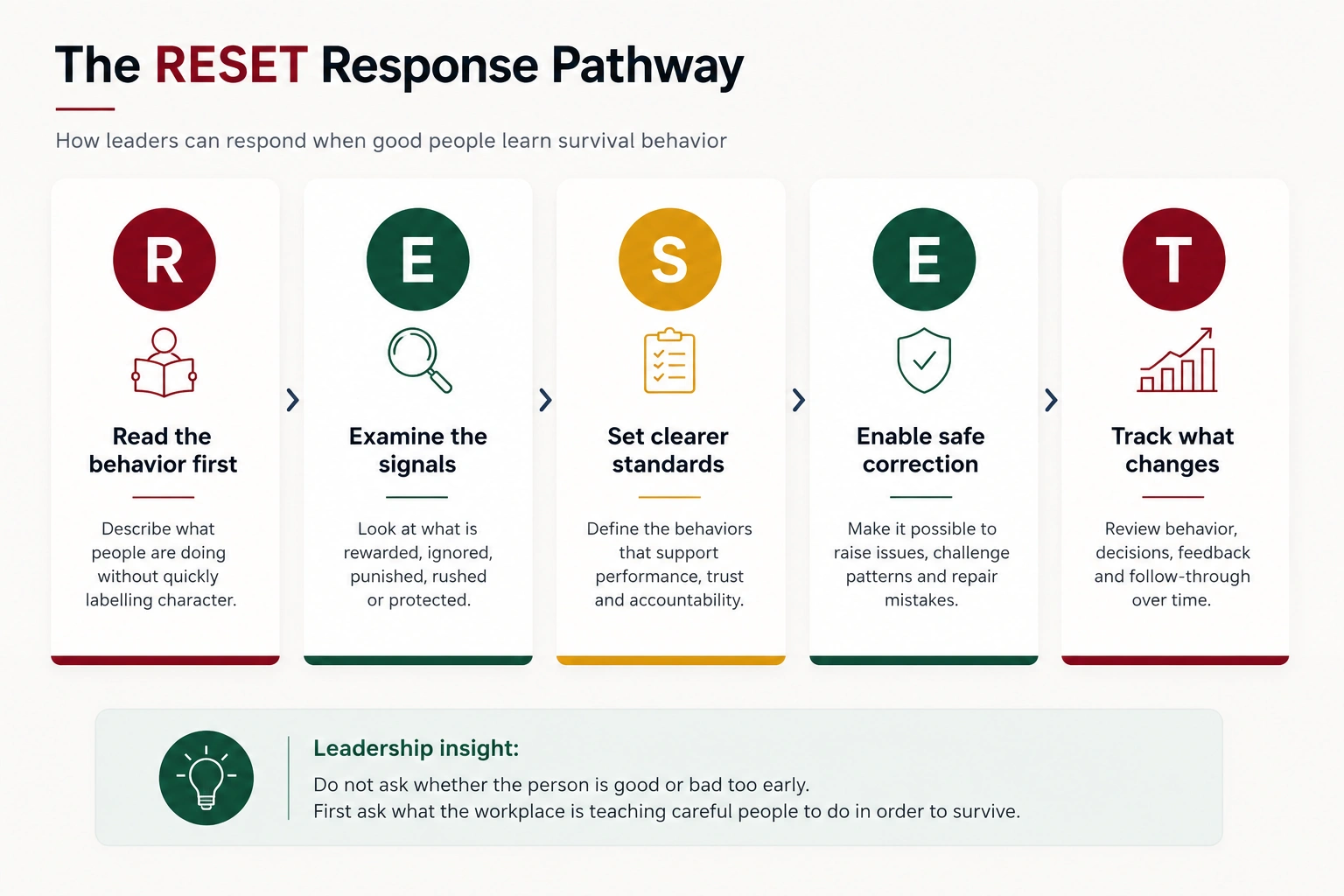
Figure 5. The RESET response pathway for leaders diagnosing behavior changes in broken workplace cultures.
R - Read the behavior before labelling the person
Start with observable behavior.
Say: "People are delaying approvals," "staff are quiet in meetings," or "supervisors are escalating routine decisions."
Avoid starting with: "people are lazy," "they are negative," or "this generation does not want responsibility." Labels close the conversation too early.
E - Examine the signals people receive
Look at what the organization actually rewards, tolerates and ignores.
Which behavior gets promoted?
Which mistakes are forgiven?
Which questions create discomfort?
Which people are protected from consequences?
Culture becomes clearer when leaders examine repeated signals, not stated intentions.
S - Set clearer standards and decision rights
People behave better when they understand expectations and have the authority to meet them. Clarify what good work looks like, who owns which decisions, what must be escalated and what can be handled at role level.
Accountability without decision rights creates fear, not ownership.
E - Enable safe correction
A healthier culture does not mean everyone agrees. It means people can correct issues without humiliation, retaliation or politics. Managers need skills for feedback, conflict handling and performance conversations. HR needs processes that protect fairness, documentation and confidentiality.
T - Track whether behavior changes
Do not announce a culture reset and move on. Watch the meeting behavior, handovers, complaint handling, manager decisions and employee feedback. If people remain cautious, ask what still feels unsafe or unclear. Improvement is proven by changed patterns, not by one good workshop.
Guidance for leaders, managers, HR teams and employees
For executives and business owners
Do not rush to replace people before examining the environment those people are operating in. Hiring better people into the same broken signals can produce the same behavior. Before concluding that the team lacks initiative, review decision rights, manager consistency, reward signals and communication norms.
For managers and supervisors
Your team watches how you respond under pressure. If you punish mistakes more strongly than hidden risks, people will hide risks. If you ask for ownership but reverse every decision, people will stop owning decisions. Your daily reactions are culture training.
For HR teams
Treat behavior patterns as data. If many employees show the same defensive behavior, investigate the system before writing multiple individual warnings. Use onboarding, role clarity, performance management, manager training and employee feedback to identify where the culture is teaching the wrong lessons.
For employees
A broken culture may explain pressure, but it does not remove personal responsibility. Stay professional, document concerns appropriately, seek clarity and use the right channels. Where the environment is harming your wellbeing, safety or dignity, seek appropriate support rather than carrying the burden alone.
What organizations should avoid
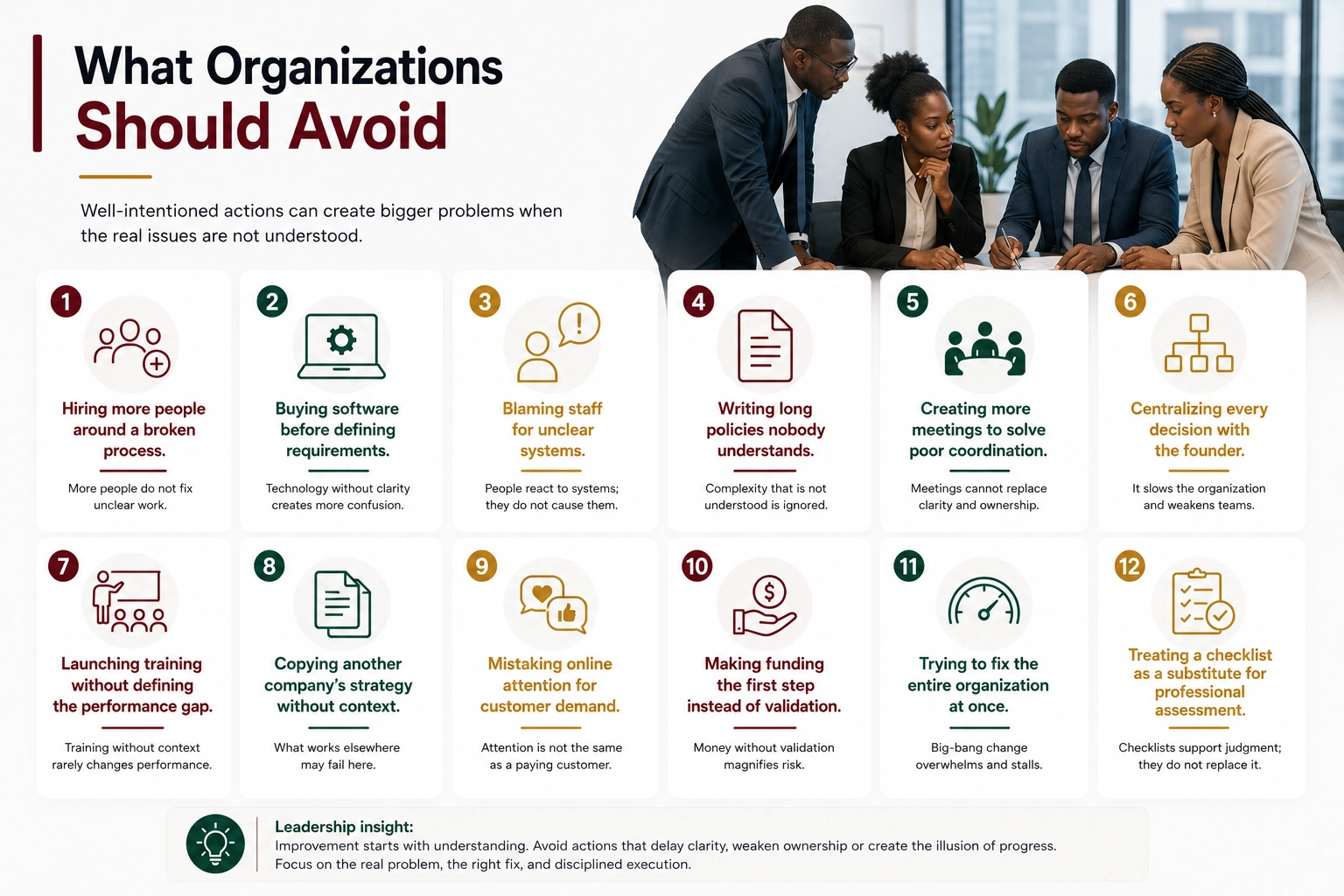
Figure 6. What leaders must not do, before understanding the real issues.
Do not blame employees for unclear systems and then call it accountability.
Do not write longer policies when the real issue is inconsistent leadership behavior.
Do not promote strong individual performers into management without preparing them to lead people.
Do not treat silence as agreement.
Do not reward heroic firefighting while asking for sustainable teamwork.
Do not use fear as the main performance tool. Fear may create compliance, but it rarely creates trust or honest improvement.
Do not assume a new hire will fix a culture that teaches old survival habits.
A manageable starting pathway
Choose one visible behavior pattern, such as silence in meetings, excessive escalation or repeated handover mistakes.
Describe what is happening without blaming motive or personality.
Ask what the workplace may be rewarding, tolerating or punishing around that behavior.
Identify the process, manager habit, decision right or policy gap behind the pattern.
Hold a structured conversation with the affected team, with clear ground rules for respect and confidentiality.
Fix one practical condition, such as approval authority, meeting norms, feedback routine or escalation rules.
Review after 30 to 60 days to see whether behavior has changed.

The right response depends on the organization. A growing SME may need clearer roles and manager routines. An NGO may need stronger accountability, reporting and safeguarding-sensitive communication.
A school may need consistent staff expectations and escalation channels. A corporate department may need manager alignment and performance standards that are actually applied.
The aim is not to excuse poor conduct. The aim is to understand the conditions shaping conduct so leaders can respond fairly and effectively.
Before deciding that your organization simply needs "better people," use the AES Hiring Decision Matrix to examine whether the issue is a hiring gap, a role-clarity gap, a manager-readiness gap or a culture-signal gap.
For organizations needing deeper support, AES can assist with HR systems review, people operations setup, culture diagnostics, manager training and practical improvement planning.
Share Article
HR & People Operations service | Consultation
Related Articles:
Culture Is Not What You Say - It Is What You Reward (The People & Culture)
The Hidden Rules That Shape Every Workplace (The People & Culture)
5 Signs Your Operations Need Re-Engineering, Not Just Optimization (In Business Today)
Why Digital Transformation Needs Change Management (Digital & IT Insights)
The Retention Power of Good Managers (The People & Culture)
Why Passive Aggression Thrives in Unclear Cultures (The People & Culture)
Building Learning Cultures (In Business Today)